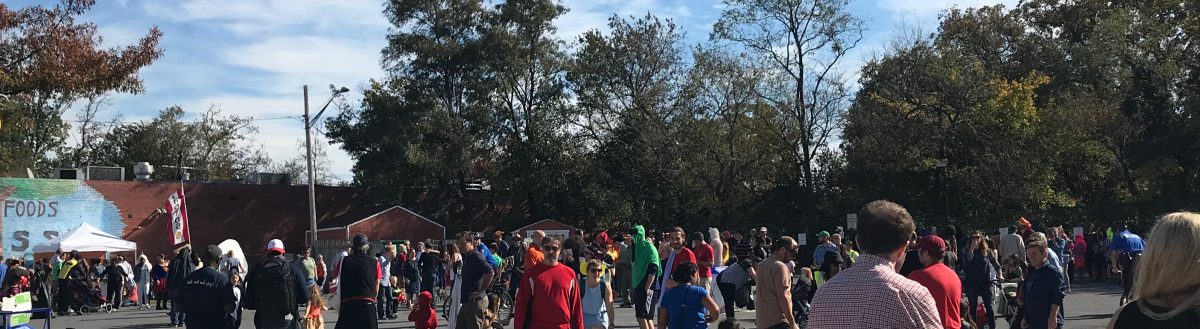
In preparation for the City of Takoma Park’s election on November 8th 2022, Community Vision for Takoma (CVT) sent questions to each of the 15 candidates for City Council. All but two candidates returned the questionnaires, below. (A few responses were edited to fit the limit on length.)
Topics included the climate emergency, the City budget, racial equity, the future of Takoma Junction, and affordable housing. We appreciate the time the candidates put into replying to these questionnaires.
The questionnaire responses below should help residents to make decisions on voting in the Council races. Not all candidates have websites (yet), but we encourage you to visit those websites linked to the names in the questionnaire responses, and to seek out the candidates at local events including the Takoma Park Street Festival on October 8th. You can also listen to speeches made about the candidates at the Nominating Caucus.
Also, tune in to the upcoming City Candidate Forums moderated by Eric Bond of Talk of Takoma (WOWD), streaming on Takoma Park City TV:
- Oct 6, Candidates for Mayor 6pm
- Oct 10, Ward 1 (6pm) and Ward 5 (7:30pm)
- Oct 17, Ward 3 (6pm) and Ward 6 (7:30pm)
City ballots (separate from State/County ballots) should arrive by mail in October. Residents age 16 and up can register to vote in the City election, and do not need to be US citizens. City residents can vote:
- by mail,
- by drop-box,
- or in person on November 8th.
WHO WE ARE: CVT is an informal network of neighbors who first came together around the use of public land at Takoma Junction, and continue to work on community issues. We do not have a formal organization. We work by consensus. At our center is a varying group of about 20 residents who meet regularly to discuss what’s happening in Takoma Park and to plan communications and advocacy. Our work includes attending City Council meetings, alerting residents to issues before the City, and encouraging participation in the City’s democratic processes.
CVT does not collect or donate funds to support candidates, and is not a Political Action Committee.
City Council Candidate Questionnaire Responses
Ward 1
Shana Fulcher (Ward 1)
Q1 What is your position on how the City should proceed to end the impasse at Takoma Junction? Do you agree that the City must promptly end the current agreement to let NDC rent the lot? Why or why not?
Pedestrian safety, bicyclist safety, and traffic safety should be improved at the Junction before moving forward with the development. The intersection causes unease to everyone who passes through it. The parking lots on either side of the Co-op are awkward. The parking lot under consideration for development can be impossible to exit in order to get back into traffic.
I’m concerned about the legal and financial obligations the City might have with ending the current agreement with NDC as well as the City’s reputation. I would not want the City to lose money to NDC as a result of terminating the agreement. I worry about how other developers would feel about entering into an agreement with the City after ending its contract with NDC. NDC should present a plan that fits the City’s parameters including more greenspace and significantly reduced development.
Q2 What is your vision for the equitable and inclusive use of the public land at Takoma Junction now, given what we have learned about the constraints of that space in terms of traffic, open space needs, safety, and support of existing and planned local businesses?
I would like to see a plan with more public use space that has protection from the elements with either a green roof or solar paneling. The Junction is at a major throughway for Takoma Park, so I want it to include architecture that is unique. I support finding a way to change the angle of the intersection at the Junction to increase visibility for pedestrians, bicyclists, and drivers. Our city should reflect that pedestrians not only have the right-of-way but also the priority. The second that someone parks their car at the lot to the right of the Co-op, they become a pedestrian. If we want them to frequent the businesses across East-West Highway, we have to ensure that they feel comfortable crossing at that intersection.
Q3 Do you agree that the City should survey residents to determine our needs for government services, and which services should be provided by the City, versus which services could be best provided by the County? Why or why not?
Yes. The services that the Takoma Park community values have likely changed since the inception of those services. We should reevaluate which services we want to spend our city taxes on. With Takoma Park incorporating in 1997, we don’t necessarily need to provide the same services we have historically provided. At the same time, the City has historically experienced difficulty negotiating with the County for reimbursement of duplicated taxes for services. At some point we have to accept that it makes more sense to get more services from the County.
Q4 Do you think that the City has responded adequately to the climate emergency, or do you think we should take stronger action on issues including stormwater, city vehicles, preservation and expansion of the tree canopy and green space, and green construction of city buildings? What changes would you propose and what targets would you set?
I do think that the City is doing a good job with some actions. I appreciate our efforts to protect the tree canopy and to create programs to plant more trees, even on private property. It is hard to address climate change locally when so many regulations are weakened nationally. I’ve seen many rain gardens going in on city property in the last few years and we should continue to address runoff. In order to support green construction of city buildings, we may need to slow down and put city goals further into the future. Developing in our city is a privilege and we should expect developers to treat it as such. We can expect developers to meet our higher expectations for environmental practices in order to build here.
Q5 What is your view of the current budget process? Do you agree that the budget process needs to become more transparent? Do you feel that the City Council should do more to curb the continuous growth of staff and spending, given that the City population is not growing? Why or why not?
The City begins the budget process in November and does not solicit public input until April. I don’t think the current process places enough value on public input. The City Clerk and Employees should be more transparent earlier in the process. Stopping the growth in staff numbers will be hinged on reevaluating services that we want to provide. My experience with the City staff is that they are working hard all the time so we would have to adjust our expectations of what our City staff’s output would be in order to reduce numbers. My family’s property taxes nearly doubled between 2018 to 2019. We had to seriously consider moving out of Takoma Park.
Q6 Do you agree that the current “racial equity considerations” process on Council agenda items is ineffectual? What would you propose to create a more participatory and inclusive process to involve residents in City governance? What new steps should the City take to address structural racism?
I’m not sure that I would agree that the process has been ineffectual because there are currently no metrics to measure success or failure. I would like to see metrics associated with our “racial equity considerations” process so that we are better able to recognize accomplishments and areas for growth. The City’s committees and task forces are meant to make recommendations to the City Council, but I would also like for them to be involved in advising the City Manager. In order to have a more inclusive process, I would like to see some committees and task forces assigned through invitation that is randomized and for us to publicize the honorarium that members receive.
Q7 Takoma Park has the greatest density of truly affordable housing in the county, and the only rent stabilization program. Would you work to do everything you can to protect this rent stabilization, prevent the displacement of low-income communities, and ensure that housing for home renters is safe and up to code? Would you advocate for creating more truly affordable housing at the Washington Adventist Hospital site, and the Washington-McLaughlin School site? Why or why not?
We should ensure that developers invest in greener measures now so that vulnerable families have protection against rising utility prices. These developments do need a variety of types of housing. We must be careful not to segregate our low income families from the rest of the community any more than they already are. We should not solely depend on new construction to make affordable housing for people. The percentage of affordable housing should be heavily weighted when reviewing developer’s proposals.
Mark Sherman (Ward 1)
Q1 What is your position on how the City should proceed to end the impasse at Takoma Junction? Do you agree that the City must promptly end the current agreement to let NDC rent the lot? Why or why not?
The city should never have leased the lot to NDC in the first place — the entire idea was wrong. The lease should be canceled immediately, and the council should quit being intimidated. In addition, the city attorney should stop trying to gag city council members on this issue — council members are not staff — they answer to us, not the city manager
Q2 What is your vision for the equitable and inclusive use of the public land at Takoma Junction now, given what we have learned about the constraints of that space in terms of traffic, open space needs, safety, and support of existing and planned local businesses?
The highest and best use of that land is for a parking lot that doubles as a delivery space for the adjacent grocery store. However, that doesn’t mean it has to look bad — it should be treated as green space with parking, and the corner at the back, near the fire station, should not be given away to a private business.
Q3 Do you agree that the City should survey residents to determine our needs for government services, and which services should be provided by the City, versus which services could be best provided by the County? Why or why not?
No, I don’t — somehow, these surveys never amount to much, they’re just giveaways to the survey company, and every bad thing that has happened seems to have been preceded by a survey, so I place little faith in them.
Q4 Do you think that the City has responded adequately to the climate emergency, or do you think we should take stronger action on issues including stormwater, city vehicles, preservation and expansion of the tree canopy and green space, and green construction of city buildings? What changes would you propose and what targets would you set?
The tree ordinance was weakened by the current council — I would seek to strengthen it, creating a right to shade, especially for renters. We should also be trying to get people out of their cars — I propose giving free bus passes to all residents and taking additional action on transit.
Q5 What is your view of the current budget process? Do you agree that the budget process needs to become more transparent? Do you feel that the City Council should do more to curb the continuous growth of staff and spending, given that the City population is not growing? Why or why not?
Staff should revert to the number of FTEs 20 or 30 years ago — we have become an overstaffed, over-consultanted, overengineered city — witness the library project. I am not well enough versed in the budget process to comment on that in particular. What’s really missing is a local press, to highlight what’s going on in the budget.
Q6 Do you agree that the current “racial equity considerations” process on Council agenda items is ineffectual? What would you propose to create a more participatory and inclusive process to involve residents in City governance? What new steps should the City take to address structural racism?
Those questions don’t belong together — racial equity is not the same as making city governance more inclusive. My biggest recommendation is to make the city manager an elected position — i.e., the actual mayor. The person we call mayor now is actually the council chairperson.
Q7 Takoma Park has the greatest density of truly affordable housing in the county, and the only rent stabilization program. Would you work to do everything you can to protect this rent stabilization, prevent the displacement of low-income communities, and ensure that housing for home renters is safe and up to code? Would you advocate for creating more truly affordable housing at the Washington Adventist Hospital site, and the Washington-McLaughlin School site? Why or why not?
The rent stabilization allowance should be based on a wage index, not a price index. Just-cause legislation should be enacted by the state legislature to prevent landlords from arbitrarily terminating tenant leases. I am also concerned about the loss of rent-stabilized units under various conversion scenarios. And the buildings themselves should be protected under historic preservation rules whenever feasible.
Elizabeth Wallace (Ward 1)
Q1 What is your position on how the City should proceed to end the impasse at Takoma Junction? Do you agree that the City must promptly end the current agreement to let NDC rent the lot? Why or why not?
I encourage the City to find a way to end the current rent agreement of the lot to NDC. I agree that public land should be for the public good and the community should decide how the property would best serve the needs of the city at large. Having familiarized myself with the history of the Takoma Junction project, it seems several breaches of trust have ruined the foundation of what we hoped would be a positive relationship, and anyone in construction knows, you can’t build on that especially if it’s to last 99 years.
Q2 What is your vision for the equitable and inclusive use of the public land at Takoma Junction now, given what we have learned about the constraints of that space in terms of traffic, open space needs, safety, and support of existing and planned local businesses?
Any new plan for the Junction should complement the other upcoming projects and amenities in Takoma. First focus on traffic flow, pedestrian safety, parking for existing businesses and food security. Perhaps move the Junction bldg to the Coop parking lot; design a circle to facilitate traffic; create a different parking pattern on Carroll; add city owned, refrigerated and dry storage for food security and a covered packing/picnic area; permeable parking; tiny house cafes/shops until we see what generates engagement before brick and mortar.
Q3 Do you agree that the City should survey residents to determine our needs for government services, and which services should be provided by the City, versus which services could be best provided by the County? Why or why not?
Yes, a survey would be helpful, but one that is not based on opinion alone. It’s important that those answering the questionnaire know which services the city and the county already handle, if they’ve had experience with them and their satisfaction level, the reason why they’d like the city or county to handle it, and whether or not they see using those services themselves in the next 5, 10, 15, 20 years.
Q4 Do you think that the City has responded adequately to the climate emergency, or do you think we should take stronger action on issues including stormwater, city vehicles, preservation and expansion of the tree canopy and green space, and green construction of city buildings? What changes would you propose and what targets would you set?
Right about the time the climate resolution was passed, climactic change was already a driver for the emergence of COVID. It was the city’s first test. In all climate issued, we need transparency projects management metrics. However, everyone was affected by COVID, suppliers and their workforces were undergoing massive change. It’s time not to point fingers, can’t redo, but pledge forward march! Since many construction projects are envisioned, green building and green space are first priority.
Q5 What is your view of the current budget process? Do you agree that the budget process needs to become more transparent? Do you feel that the City Council should do more to curb the continuous growth of staff and spending, given that the City population is not growing? Why or why not?
The budget process seems to be a dreaded event by all. That must change in order that it be one that stimulates good and creative thought, not drudgery. Both the city 1 council and the residents need to see numbers on a quarterly, if not monthly basis so that patterns, trends, anomalies and other data are seen sooner rather than later. Also, it’s important to track whether or not project goals were accomplished on time and the man hours spent, including the TPPD. It’s impossible for me to say if we need to curb staff growth without those metrics.
Q6 Do you agree that the current “racial equity considerations” process on Council agenda items is ineffectual? What would you propose to create a more participatory and inclusive process to involve residents in City governance? What new steps should the City take to address structural racism?
I’d like transparency on the rubric/s used, but need to add the climate change lens as well, as CC already majorly effects all marginalized people. 2/ There are a few equity projects on the city website (bus shelters, park quality) but they are all ongoing. The reports don’t reflect how close they are to achieving their goals, if time was lost due to COVID or change of personnel etc. Again project management timelines! 3/ Perhaps use Targeted Universalism approach. 4 / Start with honoring them for their successes, naturalizations, etc. at council meetings. 5/ no room left.
Q7 Takoma Park has the greatest density of truly affordable housing in the county, and the only rent stabilization program. Would you work to do everything you can to protect this rent stabilization, prevent the displacement of low-income communities, and ensure that housing for home renters is safe and up to code? Would you advocate for creating more truly affordable housing at the Washington Adventist Hospital site, and the Washington-McLaughlin School site? Why or why not?
Rent stabilization stays in place! I’d encourage the county to create other areas as well. TP can be a long commute to some jobs. 2/ As an Airbnb host, I have insisted on having my home inspected so safe housing is a core value. 3/ I would advocate for affordable housing but suggest also mini city hall office, police substation?, community center, and shops. 1st renters could be TP residents from homes that were sub par. Landlords who get property tax allowances must be inspected regularly or may have to forfeit the subsidy.
Ward 2
Cindy Dyballa (Ward 2)
Q1 What is your position on how the City should proceed to end the impasse at Takoma Junction? Do you agree that the City must promptly end the current agreement to let NDC rent the lot? Why or why not?
The city’s 2016 development agreement with NDC and the previous council includes the lease. The city has been in discussions about this agreement, and it’s not appropriate for a current council member to publicly address topics such as status of confidential contract negotiations. I think a mutual resolution is important; a unilateral decision could bring costly and time-consuming legal action. As a 30-plus year Coop member I believe I’ve been taking into account their needs.
Q2 What is your vision for the equitable and inclusive use of the public land at Takoma Junction now, given what we have learned about the constraints of that space in terms of traffic, open space needs, safety, and support of existing and planned local businesses?
The city’s original project goals still seem relevant: be a stimulus to the commercial district and its local independent businesses; improve its aesthetic appeal; and be environmentally sustainable and sensitive to context. The bigger question is how we arrive at an updated shared vision for the site’s use. I would look for options that generate city revenue (not impose large city costs) if possible, as well as support healthy local businesses and respect safety and site constraints.
Q3 Do you agree that the City should survey residents to determine our needs for government services, and which services should be provided by the City, versus which services could be best provided by the County? Why or why not?
This, along with past city resident surveys, is a useful tool to help us balance city services, budget and revenues. I’m open to shifting some services. There’s challenges: targeting outreach to draw in new or infrequent participants; addressing city unions since services are delivered by staff; and working with the county on service transition, code changes needed, and likely costs. Example: we now pay a lower county waste fee than others, since the city provides most residential pickup.
Q4 Do you think that the City has responded adequately to the climate emergency, or do you think we should take stronger action on issues including stormwater, city vehicles, preservation and expansion of the tree canopy and green space, and green construction of city buildings? What changes would you propose and what targets would you set?
As sponsor of the city climate emergency and action framework, and a strong promoter of city and county climate, tree canopy, and stormwater action, of course I want the City to do more—in a way that supports our equity and other goals. Let’s build on current efforts such as our GHG targets, building energy efficiency programs, tree canopy goal and expanded planting effort, city EV policy, and green features in the library renovation, as well as expand public-private stormwater management
Q5 What is your view of the current budget process? Do you agree that the budget process needs to become more transparent? Do you feel that the City Council should do more to curb the continuous growth of staff and spending, given that the City population is not growing? Why or why not?
Our budget process has more public detail each year, because we asked for it. I still want more focus and clarity on the key information, decisions and necessary choices. City services need staff to deliver and manage them; wage increases for staff facing the same economy we do, and increases for their tools and equipment, means more spending. I’ve voted to keep a level residential tax rate, and I’m very cautious about adding staff; and we must also expand other city revenue sources.
Q6 Do you agree that the current “racial equity considerations” process on Council agenda items is ineffectual? What would you propose to create a more participatory and inclusive process to involve residents in City governance? What new steps should the City take to address structural racism?
More tools and training can help city staff and council better use this tool. I’ve worked hard to recruit and appoint a more diverse group of residents to city committees, with stipends to cover their costs. To be more inclusive and address structural issues, let’s take practical steps like our recent ones, such as more targeted and varied outreach, neighborhood workshops with translators, assistance programs for our most vulnerable, and community navigators to connect residents with services.
Q7 Takoma Park has the greatest density of truly affordable housing in the county, and the only rent stabilization program. Would you work to do everything you can to protect this rent stabilization, prevent the displacement of low-income communities, and ensure that housing for home renters is safe and up to code? Would you advocate for creating more truly affordable housing at the Washington Adventist Hospital site, and the Washington-McLaughlin School site? Why or why not?
Half our residents are renters, so I’ve been focused on these issues, and strongly support rent stabilization; our housing strategic plan and housing fund; and affordable housing with needed zoning changes as part of the WAH and McLaughlin sites. I’ve stressed that we need stronger county rental housing inspections. I want solutions that serve more than one goal, such as bundling multifamily rehabilitation and energy efficiency improvements.
Ward 3
Mimi Diez (Ward 3)
Q1 What is your position on how the City should proceed to end the impasse at Takoma Junction? Do you agree that the City must promptly end the current agreement to let NDC rent the lot? Why or why not?
As there are no current discussions with this, and all the information I currently have is from the https://takomaparkmd.gov/initiatives/takoma-junction-redevelopment/ website, I don’t have enough information to answer. If and when any discussions do come up about the Takoma Junction and NDC, I plan to address these topics objectively and with the best interests of Ward 3 and the city in mind.
Q2 What is your vision for the equitable and inclusive use of the public land at Takoma Junction now, given what we have learned about the constraints of that space in terms of traffic, open space needs, safety, and support of existing and planned local businesses?
My vision for a thriving junction is not an above ground parking lot that polarizes a city.I envision a place that is safe for people of all ages to gather, shop, & celebrate. A place where our home-grown entrepreneurs have ample space & where infrastructure can support their deliveries. There is more to Takoma Park than the Junction & we need to support safe transportation infrastructure, recruit/retain businesses & create safe & beautiful places in all Wards, not just the Junction.
Q3 Do you agree that the City should survey residents to determine our needs for government services, and which services should be provided by the City, versus which services could be best provided by the County? Why or why not?
A survey conducted by the city is a great idea, however communication is already a challenge point in our community. Not everyone follows city announcements, has social media, or adequate access to wifi; flyers are lost or ignored. Surveys can assist this city in many ways, however we need to ensure that all voices are heard and not just the loudest.
Q4 Do you think that the City has responded adequately to the climate emergency, or do you think we should take stronger action on issues including stormwater, city vehicles, preservation and expansion of the tree canopy and green space, and green construction of city buildings? What changes would you propose and what targets would you set?
The city’s sustainability strategic action plan has recommendations to create a more resilient, equitable and sustainable community.I support the city’s plan to mitigate & adapt to climate related extreme weather events; in setting a realistic canopy goal; in replacing city fleet with electric at the end of its life-cycle; & I support LEED Certified buildings.All this comes with a cost, & I would dedicate my time in finding innovative ways to meet our sustainability goals.
Q5 What is your view of the current budget process? Do you agree that the budget process needs to become more transparent? Do you feel that the City Council should do more to curb the continuous growth of staff and spending, given that the City population is not growing? Why or why not?
I don’t have enough information about this question to answer. However there are opportunities for improvement with how information flows in our community and if elected, I will work on improving city service delivery and finding innovative and sustainable program funding and budget management.
Q6 Do you agree that the current “racial equity considerations” process on Council agenda items is ineffectual? What would you propose to create a more participatory and inclusive process to involve residents in City governance? What new steps should the City take to address structural racism?
I don’t have enough information about this question, but one area where the Ward 3 can address structural racism is electing a Spanish speaking Latina candidate. Just as sustainability is “baked” into how the city does business, so to should we embed equity into city projects, initiatives and governance.
Q7 Takoma Park has the greatest density of truly affordable housing in the county, and the only rent stabilization program. Would you work to do everything you can to protect this rent stabilization, prevent the displacement of low-income communities, and ensure that housing for home renters is safe and up to code? Would you advocate for creating more truly affordable housing at the Washington Adventist Hospital site, and the Washington-McLaughlin School site? Why or why not?
Yes
Randy Gibson (Ward 3)
Q1 What is your position on how the City should proceed to end the impasse at Takoma Junction? Do you agree that the City must promptly end the current agreement to let NDC rent the lot? Why or why not?
I am not privy to the legal case between NDC and the City, so I don’t know what the City’s options are. However, it is my belief that NDC has acted in bad faith on the principles agreed to with the City. They have also demonstrated reprehensible corporate bullying with regard to the Co-op. These actions should render NDC unacceptable and ineligible for continuance of a lease contract with the City.
Q2 What is your vision for the equitable and inclusive use of the public land at Takoma Junction now, given what we have learned about the constraints of that space in terms of traffic, open space needs, safety, and support of existing and planned local businesses?
I start with 4 non-negotiables. 1) Business viability of the Co-op, and other local businesses, should not be compromised. 2) Environmental services, e.g. stormwater mitigation, provided by the woods must not be compromised. 3) Adequate public gathering space must be provided, and 4) Safe traffic conditions must be maintained. Beyond these, there are several good options for some sort of enhancement or development. And the City must do a much better job to study and compare different visions in a transparent way before contracts are signed.
Q3 Do you agree that the City should survey residents to determine our needs for government services, and which services should be provided by the City, versus which services could be best provided by the County? Why or why not?
Yes, we should ask our residents about their priorities as regards programs and services. Our City taxes are high and some wonder if we are getting our money’s worth. Tough choices may need to be made to prioritize city services and determine if the County could do better. One example is the County’s Rainscapes program which is much more generous in terms of incentivizing conservation efforts on private property. Policing, a very large part of our budget, is an area that deserves careful review.
Q4 Do you think that the City has responded adequately to the climate emergency, or do you think we should take stronger action on issues including stormwater, city vehicles, preservation and expansion of the tree canopy and green space, and green construction of city buildings? What changes would you propose and what targets would you set?
Climate proclamations have not been matched with visible actions. There is an urgent need for a strategic analysis of stormwater risks and resiliency planning. Educating residents about how to help mitigate climate impacts is nearly absent. Demonstration gardens to model green infrastructure best practices are needed. An assessment of parks and green spaces is needed to account for the ecosystem services. Partnering with community groups could help educate the public. Home & habitat certification could incentivize energy and environmental best practices.
Q5 What is your view of the current budget process? Do you agree that the budget process needs to become more transparent? Do you feel that the City Council should do more to curb the continuous growth of staff and spending, given that the City population is not growing? Why or why not?
The current budget process is not clear nor transparent. I understand that even the Council has difficulty interpreting it. Our growing budget is also not sustainable given the fact that population growth is not taking place. So, we must face some hard questions about what should be prioritized. Project based budgeting should be considered as a way to make the budget clearer and more transparent to residents and better account for expenditures.
Q6 Do you agree that the current “racial equity considerations” process on Council agenda items is ineffectual? What would you propose to create a more participatory and inclusive process to involve residents in City governance? What new steps should the City take to address structural racism?
The degree that racial equity considerations are meaningful is not clear to me and many other residents. To be effective the process must be forceful and sustained and may involve a change of culture for City staff. Community, business and tenant organizations may offer viable partnerships for more effective outreach. Making those partnerships a business norm is one of my goals.
Q7 Takoma Park has the greatest density of truly affordable housing in the county, and the only rent stabilization program. Would you work to do everything you can to protect this rent stabilization, prevent the displacement of low-income communities, and ensure that housing for home renters is safe and up to code? Would you advocate for creating more truly affordable housing at the Washington Adventist Hospital site, and the Washington-McLaughlin School site? Why or why not?
Yes, I would fully support our rent stabilization programs and the need to ensure that housing is completely safe and up to code. I believe our economic and ethnic/racial diversity is a strength that is worth protecting. I seek to learn more about our housing programs and any threats facing them. I would support in concept the suggestion of converting the two sites mentioned for affordable housing but need to learn more the viability of such a proposal.
Alex Hadden (Ward 3)
Q1 What is your position on how the City should proceed to end the impasse at Takoma Junction? Do you agree that the City must promptly end the current agreement to let NDC rent the lot? Why or why not?
After years of consultation and planning, the failure to advance community benefit with the Takoma Junction Redevelopment has left Ward 3 voters dispirited. Ending the agreement with NDC would necessitate a financial, contractual, legal and commercial analysis that ensures the City preserves its reputation as a credible stakeholder able to attract future partners to stimulate our small business community, improve our City’s charm and livability, and advance our environmental and social values.
Q2 What is your vision for the equitable and inclusive use of the public land at Takoma Junction now, given what we have learned about the constraints of that space in terms of traffic, open space needs, safety, and support of existing and planned local businesses?
After so many years of work and community feedback, there is a wealth of understanding of the exciting potential opportunities for the site. However, it’s likely to require reimagination or resolution of the City’s commitment with NDC to advance a new era at the site. In the near-term, the City should refocus and prepare for the reality of near-sourced growth in its planning and capital investment: nearly 1,000 condo units are being built within walking distance of every Ward 3 resident.
Q3 Do you agree that the City should survey residents to determine our needs for government services, and which services should be provided by the City, versus which services could be best provided by the County? Why or why not?
Broad consultation should be a primary focus when the City Council considers planning and use issues of material municipal resources. A survey is one tool in soliciting feedback and engaging the community. However, a truly consultative process requires multiple strategies to equitably and holistically solicit community input. As Councilmember, I will provide multiple channels through which Ward 3 residents can communicate their concerns, starting during my campaign at http://www.alexforward3.com.
Q4 Do you think that the City has responded adequately to the climate emergency, or do you think we should take stronger action on issues including stormwater, city vehicles, preservation and expansion of the tree canopy and green space, and green construction of city buildings? What changes would you propose and what targets would you set?
Takoma Park has been a national leader on sustainability issues for generations. However, with limited resources and budget–and a desire to minimize residents’ tax burdens–the City should leverage existing and actionable household-friendly practices, incentives and investments that support residents’ ability to make clean energy transitions, become pedestrian-first, and combat direct environmental risks. We will not be a sustainable City until there is a sidewalk on both sides of every street.
Q5 What is your view of the current budget process? Do you agree that the budget process needs to become more transparent? Do you feel that the City Council should do more to curb the continuous growth of staff and spending, given that the City population is not growing? Why or why not?
Most Ward 3 residents express concern of ‘value for money’ for their rising tax burden. Ward 3 faces unique challenges compared to other wards, due to historic underinvestment in communities along Eastern Ave and New Hampshire Ave. Important quality of life issues feel overlooked. Near-term improvements to the City’s information collection and response should be paired with long-term focus on service excellence, factoring in data- and risk-weighted resource allocation to affected areas.
Q6 Do you agree that the current “racial equity considerations” process on Council agenda items is ineffectual? What would you propose to create a more participatory and inclusive process to involve residents in City governance? What new steps should the City take to address structural racism?
I think Mayor Stewart and the City Council have made a concerted effort to improve racial equity considerations in City governance. I will wholly support the advancement of the racial equity framework on the City Council. In my community outreach, I hear underrepresented groups expressing fundamental concerns about livability: rising cost of living, underinvestment in Ward 3, City responsives, etc. Long-term, we need to increase voter participation among disaffected groups to amplify voices.
Q7 Takoma Park has the greatest density of truly affordable housing in the county, and the only rent stabilization program. Would you work to do everything you can to protect this rent stabilization, prevent the displacement of low-income communities, and ensure that housing for home renters is safe and up to code? Would you advocate for creating more truly affordable housing at the Washington Adventist Hospital site, and the Washington-McLaughlin School site? Why or why not?
Living in Takoma Park is aspirational for many and meeting a portion of that need will have to come from new housing stock. Rent stabilization measures should remain, so long as they do not create an environment that is unconducive to attracting more housing opportunities. Every City resident deserves a safe and code compliant home. Future uses of WHU and W-MS will require a rigorous evaluative and consultative process, drawing on lessons of the Takoma Junction Redevelopment process.
Ward 4
Terry Seamens (Ward 4)
Q1 What is your position on how the City should proceed to end the impasse at Takoma Junction? Do you agree that the City must promptly end the current agreement to let NDC rent the lot? Why or why not?
The Council and NDC are still in ongoing discussions about the project, its status and next steps. Although I would like to go into more detail, I cannot as a sitting Councilmember act unilaterally. The Council will have to decide when it is best to provide more information to the community. I believe that we (the Council) are currently acting in a manner that is in the best interests of Takoma Park taxpayers.
Q2 What is your vision for the equitable and inclusive use of the public land at Takoma Junction now, given what we have learned about the constraints of that space in terms of traffic, open space needs, safety, and support of existing and planned local businesses?
I want the Co-op to be a healthy, viable and thriving business. The Co-op is an important part of TP’s character. I also believe that more storefronts in TJ would be good for the community. We learned much during the current process that should benefit the new council as they continue on this issue. I hope to continue to hear from community members about their desires, thoughts and opinions regarding this project so that we end up with the property fulfilling its best potential for a better TP.
Q3 Do you agree that the City should survey residents to determine our needs for government services, and which services should be provided by the City, versus which services could be best provided by the County? Why or why not?
Surveys are a valuable tool in gathering opinions, but surveys can be a poor way to make community decisions. They may be unintentionally written or distributed in a biased manner or not provide sufficient background information to get informed answers. We operate in a representative democracy rather than a direct democracy. Community opinions are vital for knowing the direction residents want to take TP. Surveys, community meetings, & direct conversations are some of the tools I find helpful.
Q4 Do you think that the City has responded adequately to the climate emergency, or do you think we should take stronger action on issues including stormwater, city vehicles, preservation and expansion of the tree canopy and green space, and green construction of city buildings? What changes would you propose and what targets would you set?
Yes, I think we have been aggressive in addressing the climate emergency. It would certainly be nice to do more, but we are constrained by costs and staff time.
Q5 What is your view of the current budget process? Do you agree that the budget process needs to become more transparent? Do you feel that the City Council should do more to curb the continuous growth of staff and spending, given that the City population is not growing? Why or why not?
Since joining the council over 20 years ago I have advocated for more transparency in the budget process and with few exceptions I’ve been pleased with the continued progress we made. I’ve been surprised there is little community push-back on budget increases. The council hears more advocacy for adding projects than cutting taxes. We get many complaints when we talk about cutting projects. Staff costs are a significant part of the budget and directly relate to what we can accomplish.
Q6 Do you agree that the current “racial equity considerations” process on Council agenda items is ineffectual? What would you propose to create a more participatory and inclusive process to involve residents in City governance? What new steps should the City take to address structural racism?
I think the current racial equity considerations we added to the agenda items are good in the sense it was a first step. Obviously, much more needs to be done. A more participatory process would be good, but would not in and of itself ensure that it is not racially or economically biased.
Q7 Takoma Park has the greatest density of truly affordable housing in the county, and the only rent stabilization program. Would you work to do everything you can to protect this rent stabilization, prevent the displacement of low-income communities, and ensure that housing for home renters is safe and up to code? Would you advocate for creating more truly affordable housing at the Washington Adventist Hospital site, and the Washington-McLaughlin School site? Why or why not?
Rent stabilization is why TP has much of the affordable housing in MoCo, therefore it should continue until there’s a better alternative. Unfortunately, maintenance is often inadequate to keep housing in good repair. Efforts to improve inspections have not kept many properties from degrading. Residents’ economic diversity is part of our community character that must be safeguarded. Remaining open-minded I can say the WAU and W-M sites present opportunities that could include affordable housing.
Ward 5
A.J. Campbell (Ward 5)
Q1 What is your position on how the City should proceed to end the impasse at Takoma Junction? Do you agree that the City must promptly end the current agreement to let NDC rent the lot? Why or why not?
For many years, the city has paid an obsessive level of attention to the Junction while ignoring other viable development projects. It is unclear if NDC will relinquish its lease without some considerations or even a lawsuit. I don’t think we would get another developer to take on the site. We are in a holding pattern for now.
Q2 What is your vision for the equitable and inclusive use of the public land at Takoma Junction now, given what we have learned about the constraints of that space in terms of traffic, open space needs, safety, and support of existing and planned local businesses?
I would like to offer the Coop a chance to expand into the grassy area to the right and move its storefront to the property line in front. I would like to see a new seating space with a cafe or kitchen for cooking classes or demonstrations. For the parking lot surface, I would prefer to leave it open and add solar panels overhead. I would like to include a stage or bandstand in the back center for community use.
Q3 Do you agree that the City should survey residents to determine our needs for government services, and which services should be provided by the City, versus which services could be best provided by the County? Why or why not?
The city surveys residents for each new plan and project, but do they listen? I am not sure the consultants we hire do a great job when they conduct surveys. Regardless, we don’t seem to listen to feedback when we get feedback. I think the city should invest in a real-time collection system and not keep paying the consultants.
Q4 Do you think that the City has responded adequately to the climate emergency, or do you think we should take stronger action on issues including stormwater, city vehicles, preservation and expansion of the tree canopy and green space, and green construction of city buildings? What changes would you propose and what targets would you set?
The city has a mixed record; there have been many infrastructure improvements like EV charging stations at select locations. The new tree giveaway is wonderful. The City wanted to buy an EV trash truck, but it was considered too expensive. Most of our vehicle fleet is still gas-powered. I don’t see any long-term movement towards an all-electric fleet.
Q5 What is your view of the current budget process? Do you agree that the budget process needs to become more transparent? Do you feel that the City Council should do more to curb the continuous growth of staff and spending, given that the City population is not growing? Why or why not?
I recently held a budget zoom call with the community, and not one resident could tell me how much of our budget comes from property taxes vs. intergovernmental transfers. I could not tell you for sure because the city doesn’t seem to provide information on the net costs of each city service. The city does publish a budget breakdown but does not seem to go out of its way to educate the residents. We should change that.
Q6 Do you agree that the current “racial equity considerations” process on Council agenda items is ineffectual? What would you propose to create a more participatory and inclusive process to involve residents in City governance? What new steps should the City take to address structural racism?
I could not summarize the city’s racial equity agenda except for a vague notion of talking and examining. I get the lofty goals, but I rarely see anything that translates to direct tactical goals. We need to expand access to city and county services through a massive expansion of library services into every ward. While on the council, I will push to transform our library into a center of information and connection.
Q7 Takoma Park has the greatest density of truly affordable housing in the county, and the only rent stabilization program. Would you work to do everything you can to protect this rent stabilization, prevent the displacement of low-income communities, and ensure that housing for home renters is safe and up to code? Would you advocate for creating more truly affordable housing at the Washington Adventist Hospital site, and the Washington-McLaughlin School site? Why or why not?
Yes, I would protect rent stabilization. My first push would be offering tenants a one, two, or three-year lease. Creating stability in housing over three years allows for long-term planning with a stable rent. My second is to limit our annual rent increases. Our current system of rental increases is tied to the CPI. We have seen with high inflation how much that can impact rent costs under stabilization. I would like to see the city limit the increases to a maximum yearly amount.
Cara Honzak (Ward 5) Submitted late, on October 15 2022
Q1 What is your position on how the City should proceed to end the impasse at Takoma Junction? Do you agree that the City must promptly end the current agreement to let NDC rent the lot? Why or why not?
As I consider the idea of severing the NDC agreement, it is a high priority for me that we give strong consideration to our City’s financial situation and potential liability, and the degree to which severing the agreement may discourage any new developers to engage with the City on the Junction. Yet, there is also a clear loss of trust in NDC and the process used by our City government and City Council on Takoma Junction development efforts. My focus will be to identify a middle pathway.
Q4 What is your vision for the equitable and inclusive use of the public land at Takoma Junction now, given what we have learned about the constraints of that space in terms of traffic, open space needs, safety, and support of existing and planned local businesses?
Although the public land belongs to the City, I think it is reasonable to view the Coop, the adjoining business, and the public land as being interdependent, and the Coop as a legacy business that is vital to sustain. Yet the public land belongs to all of Takoma’s residents, and sits at a major City junction. We must give voice to how the space can be optimized for maximum public good for the whole City, while doing our best to meet local needs in the immediate vicinity and sustain the Coop.
Q3 Do you agree that the City should survey residents to determine our needs for government services, and which services should be provided by the City, versus which services could be best provided by the County? Why or why not?
Yes, I think this is important. If the City cuts some services altogether or in any significant form, then the City must have a mandate from its residents and an understanding of shared values across the City. However any survey would need to be done carefully so as to maximize participation, and ensure that our collective preferences are indeed accurately measured.
Q4 Do you think that the City has responded adequately to the climate emergency, or do you think we should take stronger action on issues including stormwater, city vehicles, preservation and expansion of the tree canopy and green space, and green construction of city buildings? What changes would you propose and what targets would you set?
I think the City has not yet responded adequately to the climate emergency. While I am pleased that we already have an ambitious 2035 target for mitigation, I believe resilience efforts should be a higher priority. I would begin with win-win goals for resilience, equity and mitigation, that are best buys, such as native tree plantings near pedestrian areas, green recreational space near high density housing, and emergency cooling and heating plans for residents.
Q5 What is your view of the current budget process? Do you agree that the budget process needs to become more transparent? Do you feel that the City Council should do more to curb the continuous growth of staff and spending, given that the City population is not growing? Why or why not?
I would like to see the budget process become more transparent. At the same time, I am keenly aware that this will require substantial resources from the City, including significant additional staff time. I feel certain that if the City Council is collaborative with staff in exploring how this can be achieved, there are modifications that can be made to help residents feel more informed yet remain cognizant of this essential consideration.
Q6 Do you agree that the current “racial equity considerations” process on Council agenda items is ineffectual? What would you propose to create a more participatory and inclusive process to involve residents in City governance? What new steps should the City take to address structural racism?
I think that having a “racial equity consideration” process on Council agenda items is not entirely without merit. It has been my experience in institutions and government agencies that are seeking to address structural racism that taking the first steps towards compulsory reflection is absolutely essential, as is collating basic data. But to achieve greater participation and inclusion, and address structural racism will require us to engage in in depth, extensive dialogue on how to proceed.
Q7 Takoma Park has the greatest density of truly affordable housing in the county, and the only rent stabilization program. Would you work to do everything you can to protect this rent stabilization, prevent the displacement of low-income communities, and ensure that housing for home renters is safe and up to code? Would you advocate for creating more truly affordable housing at the Washington Adventist Hospital site, and the Washington-McLaughlin School site? Why or why not?
I believe strongly in rent stabilization in Takoma Park. It is vital for nourishing the greater equity that the City and surrounding areas need. As the Purple Line is finalized, it is essential to reap equity benefits. But Takoma Park needs to do better at ensuring that the County helps us keep buildings up to code and livable. I would also advocate for more mixed housing that motivates developers to modernize and provides middle income spaces that bring everyone up, including on the WAH site.
Yared Tebabu (Ward 5)
Did not submit responses.
Ward 6
Ambroise Agosse (Ward 6)
Q1 What is your position on how the City should proceed to end the impasse at Takoma Junction? Do you agree that the City must promptly end the current agreement to let NDC rent the lot? Why or why not?
Yes, I agree that the city promptly ends the agreement to let Neighborhood Development Company (NDC ) rent the lot because: first, the city density sounds already too high to handle that NDC project. Second, the NDC project Transferable Development Rights (TDR) sounds not clear and also the environment impacts study. To rapidly end this, the city must take strong action to communicate and explain to residents the negative actions of that project on residents especially on traffic. We should have residents file petitions, multiply the protests, and if needed get expects to present to Montgomery county how this project could negatively affect residents of Takoma Park.
Q2 What is your vision for the equitable and inclusive use of the public land at Takoma Junction now, given what we have learned about the constraints of that space in terms of traffic, open space needs, safety, and support of existing and planned local businesses?
At this moment, I do not have a clear vision. I will prefer to support the existing for future local business or open space.
Q3 Do you agree that the City should survey residents to determine our needs for government services, and which services should be provided by the City, versus which services could be best provided by the County? Why or why not?
Definitely yes. The city should conduct semi-annual survey to determine residents’ needs for government services because everyone or most residents do not have access to the right information. Nowadays, information is the key of life. The city should conduct regular surveys to find out at least each household residents’ needs as they pay extra taxes. Montgomery county versus other counties, I think Montgomery county does its part and only our city Takoma Park needs to do something additional as they collect extra housing taxes.
Q4 Do you think that the City has responded adequately to the climate emergency, or do you think we should take stronger action on issues including stormwater, city vehicles, preservation and expansion of the tree canopy and green space, and green construction of city buildings? What changes would you propose and what targets would you set?
For the city that collect extra taxes on housing, I do not think they have responded adequately to the climate emergency. Stronger action is needed. For instance, the city can offer free or reduced price permeable driveways to residents as well as to build or renew existing sidewalks with the water retention best management practices. There are so many best management practices that we can develop–protect existing trees, then plant new trees everywhere.
Q5 What is your view of the current budget process? Do you agree that the budget process needs to become more transparent? Do you feel that the City Council should do more to curb the continuous growth of staff and spending, given that the City population is not growing? Why or why not?
The current budget process needs to be more transparent. Compared to other cities’ budgets, our city budget is not transparent. To me, the city council should do more or have the office staff do more to offer extra services to residents as they collect extra housing taxes. They are so many small things that we can do to significantly impact our residents making people happy to come live in our city. We cannot continuously collect extra taxes from residents while we are not offering significant services that impact their life. The police services, library, and … are not enough to justify the extra housing taxes that we pay.
Q6 Do you agree that the current “racial equity considerations” process on Council agenda items is ineffectual? What would you propose to create a more participatory and inclusive process to involve residents in City governance? What new steps should the City take to address structural racism?
At this point and to me, information is the key. We need to have stronger action on communication. Website and newspaper letter are not enough to have people informed. We need to reinforce communication on target group. Information is the key.
Q7 Takoma Park has the greatest density of truly affordable housing in the county, and the only rent stabilization program. Would you work to do everything you can to protect this rent stabilization, prevent the displacement of low-income communities, and ensure that housing for home renters is safe and up to code? Would you advocate for creating more truly affordable housing at the Washington Adventist Hospital site, and the Washington-McLaughlin School site? Why or why not?
Yes, I will do as our population is not growing. We need to work to make sure everyone has place to live in our city even low-income since everyone is needed for sustainable development. Only rich people can not develop the city. Everyone is needed so, rent stabilization program protection is important. We need to offer more service to residents than try to displace low-income.
Raju Charles (Ward 6)
Did not submit responses
Mike Moore (Ward 6)
Q1 What is your position on how the City should proceed to end the impasse at Takoma Junction? Do you agree that the City must promptly end the current agreement to let NDC rent the lot? Why or why not?
I’m not opposed to modest commercial development at the Junction, possibly incorporating a residential component. However, the divisive debate surrounding the NDC project has so poisoned the well that I suspect nothing less than going back to square one has any chance of achieving a measure of consensus. As one of the mayoral candidates has persuasively argued, the city should strongly consider putting the entire situation on the back burner while we focus on a new rec center on NH Ave.
Q2 What is your vision for the equitable and inclusive use of the public land at Takoma Junction now, given what we have learned about the constraints of that space in terms of traffic, open space needs, safety, and support of existing and planned local businesses?
I don’t personally have a vision as to the ultimate fate of the Junction, but I have an open mind with regard to creative solutions that achieve significant consensus.
Q3 Do you agree that the City should survey residents to determine our needs for government services, and which services should be provided by the City, versus which services could be best provided by the County? Why or why not?
Absolutely. I’ve long felt that such a survey would be invaluable. Unless we find some way to substantially raise city revenues via creative development, sooner or later were going to be compelled to engage in a wholesale reevaluation of what we can continue to provide residents as opposed to turning to the county.
Q4 Do you think that the City has responded adequately to the climate emergency, or do you think we should take stronger action on issues including stormwater, city vehicles, preservation and expansion of the tree canopy and green space, and green construction of city buildings? What changes would you propose and what targets would you set?
Climate change is the overarching existential threat to the future of humanity, so we–and every other governmental and business entity–should be doing everything possible reduce our carbon footprint. I’m no expert, so I won’t presume to make macro suggestions without becoming much more familiar with the city’s current measures. I will say, however, that on a small scale I plan to push for vastly improved bicycle infrastructure, with a particular focus on the NH Ave. corridor.
Q5 What is your view of the current budget process? Do you agree that the budget process needs to become more transparent? Do you feel that the City Council should do more to curb the continuous growth of staff and spending, given that the City population is not growing? Why or why not?
Yes, I definitely believe the municipal budget process needs to be far more transparent to residents. And as some residents have suggested, any new program that calls for increases in staffing and/or funding should trigger a hard look at cost-cutting—and potentially cuts in existing services—in other areas. We cannot continue to be what we consider ourselves—a paragon of economic and ethnic diversity—if we cannot sufficiently discipline ourselves to remain affordable for residents.
Q6 Do you agree that the current “racial equity considerations” process on Council agenda items is ineffectual? What would you propose to create a more participatory and inclusive process to involve residents in City governance? What new steps should the City take to address structural racism?
I don’t feel qualified at this time to comment on the specific equity considerations that are presumably baked into council initiatives. However, we certainly need to do everything feasible to ensure equity and inclusion of marginalized groups. Furthermore, as the parent of an autistic adult who has experienced the many challenges that face the neuroatypical population among us, I know we need to ensure that this extends to everyone who too often faces barriers to self-advocacy.
Q7 Takoma Park has the greatest density of truly affordable housing in the county, and the only rent stabilization program. Would you work to do everything you can to protect this rent stabilization, prevent the displacement of low-income communities, and ensure that housing for home renters is safe and up to code? Would you advocate for creating more truly affordable housing at the Washington Adventist Hospital site, and the Washington-McLaughlin School site? Why or why not?
I fully support rent stabilization and strongly support the city’s efforts to avert displacement of low-income residents and to ensure safe and healthful living for renters. I admit I’m not yet up to speed on the particular push for affordable housing on the hospital and school sites, but I’m open to the prospect of pushing for such projects.
Jason Small (Ward 6)
Q1 What is your position on how the City should proceed to end the impasse at Takoma Junction? Do you agree that the City must promptly end the current agreement to let NDC rent the lot? Why or why not?
If there are no contracts in breach it will require a court action to stay a legitmate process.
Q2 What is your vision for the equitable and inclusive use of the public land at Takoma Junction now, given what we have learned about the constraints of that space in terms of traffic, open space needs, safety, and support of existing and planned local businesses?
If there is an open RFP (Request for Proposals) process that includes the public and private interests then my Professional opinion is that this can be done. I have successfully worked on these issues.
Q3 Do you agree that the City should survey residents to determine our needs for government services, and which services should be provided by the City, versus which services could be best provided by the County? Why or why not?
I think community surveys are a active part of good government. The home rule statute and its adjudication make so many of them crystal clear. I think duplication of services does not occur in practice, and that makes for bad government. This should be a regular normalized process. It is not the same thing to live in a municipality as it is the county. Home rule should mean cooperation.
Q4 Do you think that the City has responded adequately to the climate emergency, or do you think we should take stronger action on issues including stormwater, city vehicles, preservation and expansion of the tree canopy and green space, and green construction of city buildings? What changes would you propose and what targets would you set?
I think that resilience and sustainability go hand in hand, and that best practivces should be encouraged. The increasing rate of weather instability increases the need for real consistent priorization of these issues.
Q5 What is your view of the current budget process? Do you agree that the budget process needs to become more transparent? Do you feel that the City Council should do more to curb the continuous growth of staff and spending, given that the City population is not growing? Why or why not?
I think we should do everthing to adehere to the constant yield rate during a recession. If you want a a level of engagement on issue based policy then you havew to have staff. I do think the lack of real communication with town staff makes unreasonable tension on both sides. I have seen the opposite of this in Price George’s county. I would rather have an engaged staff rather than a large one.
Q6 Do you agree that the current “racial equity considerations” process on Council agenda items is ineffectual? What would you propose to create a more participatory and inclusive process to involve residents in City governance? What new steps should the City take to address structural racism?
I think that most of the activities of this town are alienating on the basis of race and economics. I apppreciate the articulated need for it. I think there is not enough room to answer why. I think there are voices that do not particpate, and there is an obliviousness to the lives of pluralistic communities.
Q7 Takoma Park has the greatest density of truly affordable housing in the county, and the only rent stabilization program. Would you work to do everything you can to protect this rent stabilization, prevent the displacement of low-income communities, and ensure that housing for home renters is safe and up to code? Would you advocate for creating more truly affordable housing at the Washington Adventist Hospital site, and the Washington-McLaughlin School site? Why or why not?
Yes. Its classist and racist to do otherwise. I believe in the unarticulated values that non partisan public policy shows to the world. I do not think these values should be a distant memory. Best practices are discoverable about anything.